Reasons for Cold Feet

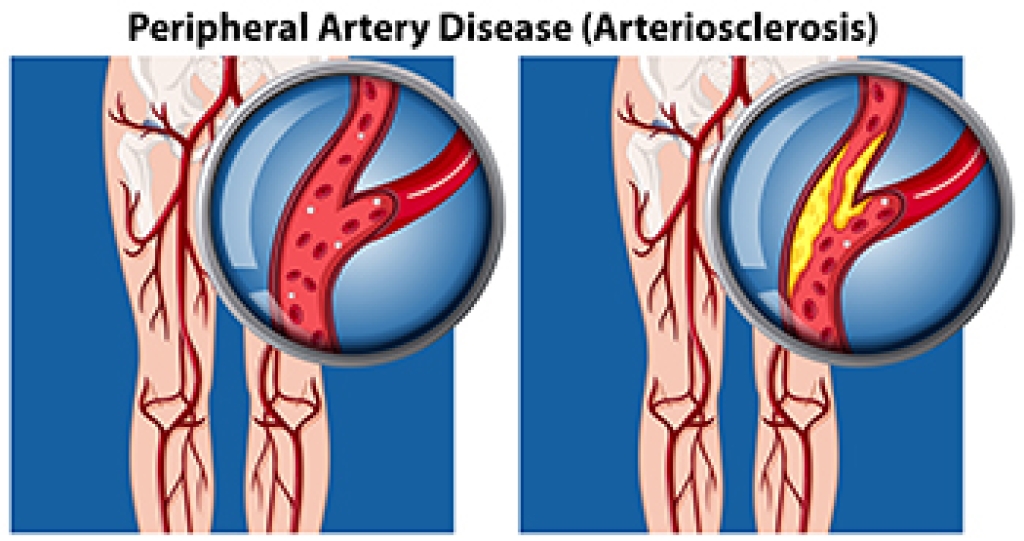
Cold feet are a common concern and may occur when blood flow or nerve function is affected. Exposure to cold temperatures can cause blood vessels to narrow, reducing warmth in the feet. Stress may also trigger vascular changes that limit circulation and contribute to a cold sensation. Poor circulation from vascular conditions can prevent enough warm blood from reaching the feet, leading to persistent coldness and discomfort. Additionally, nerve disorders may interfere with normal temperature sensation, making feet feel cold even when they are warm to the touch. Symptoms may include numbness, tingling, color changes, or an aching feeling in the feet and toes. A podiatrist can help by evaluating circulation, nerve health, and foot structure to identify the underlying cause. If your cold feet are accompanied by pain or numbness, it is suggested that you consult a podiatrist who can determine what the cause is, and offer effective relief tips.

Foot Pain

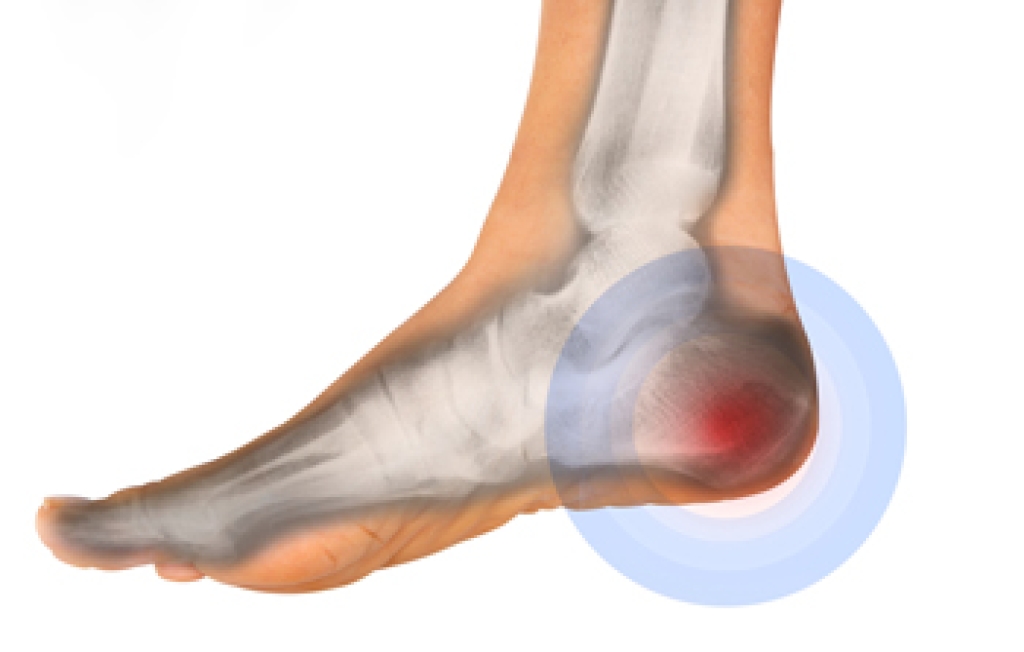
Foot pain can be extremely painful and debilitating. If you have a foot pain, consult with Carrie Frame, DPM from West Virginia Foot & Ankle. Our doctor will assess your condition and provide you with quality foot and ankle treatment.

Causes

Foot pain is a very broad condition that could be caused by one or more ailments. The most common include:

  • Bunions
  • Hammertoes
  • Plantar Fasciitis
  • Bone Spurs
  • Corns
  • Tarsal Tunnel Syndrome
  • Ingrown Toenails
  • Arthritis (such as Gout, Rheumatoid, and Osteoarthritis)
  • Flat Feet
  • Injury (from stress fractures, broken toe, foot, ankle, Achilles tendon ruptures, and sprains)
  • And more

Diagnosis

To figure out the cause of foot pain, podiatrists utilize several different methods. This can range from simple visual inspections and sensation tests to X-rays and MRI scans. Prior medical history, family medical history, and any recent physical traumatic events will all be taken into consideration for a proper diagnosis.

Treatment

Treatment depends upon the cause of the foot pain. Whether it is resting, staying off the foot, or having surgery; podiatrists have a number of treatment options available for foot pain.

If you have any questions, please feel free to contact our office located in Charleston, WV . We offer the newest diagnostic and treatment technologies for all your foot care needs.

Read more about Foot Pain

Let the Expert Treat Your Ingrown Toenails

Ingrown toenails can be painful and can make wearing shoes or walking uncomfortable. Seek professional help if you believe you've developed an ingrown toenail and be treated safely. 

Defining a Potts Fracture of the Ankle

A Pott’s fracture is a type of ankle fracture that can occur after a forceful twisting injury, especially when the foot turns inward while pointing downward. This movement is common among basketball and volleyball players. While an ankle sprain may be involved, the same force can also cause a fracture around the ankle along with the ligament damage. Because the outer side of the ankle is less stable, a Potts fracture may be overlooked and mistaken for a simple sprain. Symptoms include ongoing ankle pain, swelling, bruising, and trouble putting weight on the foot. Proper evaluation is important to identify whether a fracture is present. A podiatrist can examine the ankle, order imaging, and determine the best course of care to support healing and restore stability. If you are experiencing such ankle pain, it is suggested that you make an appointment with a podiatrist for an exam, diagnosis, and treatment.

test

Read more about All About Broken Ankle

Rheumatoid Arthritis and Foot Health

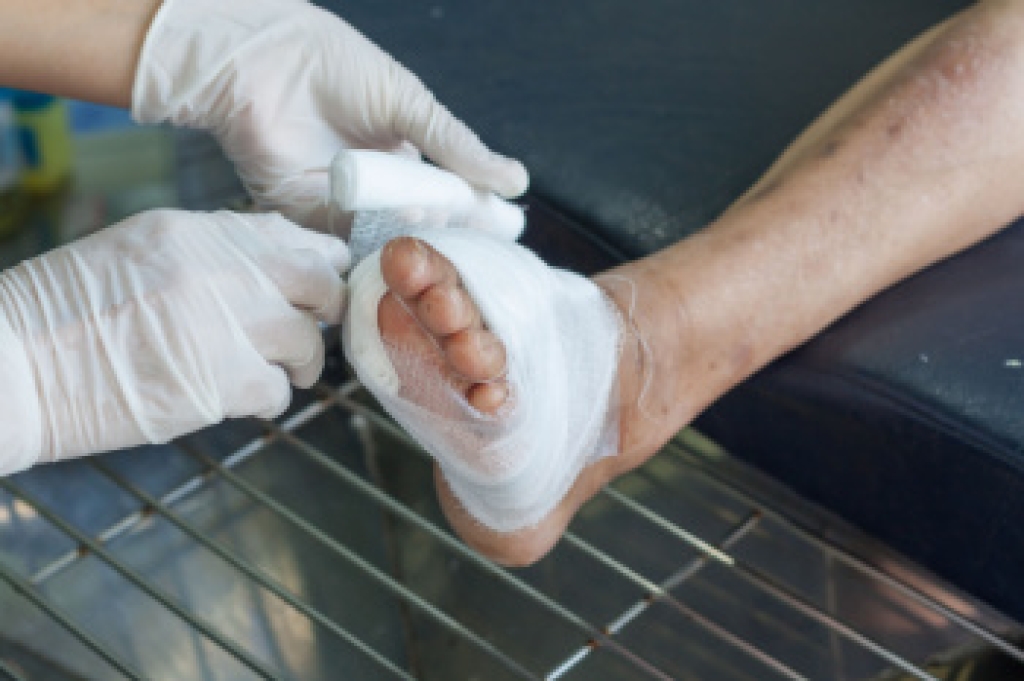
Rheumatoid arthritis is a chronic autoimmune condition that causes inflammation in the joints, often affecting the feet and ankles. The immune system mistakenly attacks joint tissue, leading to symptoms such as persistent joint pain, swelling, warmth, and stiffness, particularly in the morning or after periods of inactivity. Over time, these symptoms can interfere with walking, balance, and overall mobility. A podiatrist plays a vital role in managing the effects of rheumatoid arthritis on the feet by evaluating joint health, recommending supportive footwear or custom orthotics, providing treatments to reduce pain and inflammation, and guiding exercises to maintain flexibility and strength. If you have persistent joint discomfort or walking becomes difficult, it is suggested that you consult a podiatrist who can offer effective relief and management tips.

Because RA affects more than just your joints, including the joints in your feet and ankles, it is important to seek early diagnosis from your podiatrist if you feel like the pain in your feet might be caused by RA. For more information, contact Carrie Frame, DPM of West Virginia Foot & Ankle. Our doctor will assist you with all of your podiatric concerns.

What Is Rheumatoid Arthritis?

Rheumatoid Arthritis (RA) is an autoimmune disorder in which the body’s own immune system attacks the membranes surrounding the joints. Inflammation of the lining and eventually the destruction of the joint’s cartilage and bone occur, causing severe pain and immobility.

Rheumatoid Arthritis of the Feet

Although RA usually attacks multiple bones and joints throughout the entire body, almost 90 percent of cases result in pain in the foot or ankle area.

Symptoms

  • Swelling and pain in the feet
  • Stiffness in the feet
  • Pain on the ball or sole of feet
  • Joint shift and deformation

Diagnosis

Quick diagnosis of RA in the feet is important so that the podiatrist can treat the area effectively. Your doctor will ask you about your medical history, occupation, and lifestyle to determine the origin of the condition. Rheumatoid Factor tests help to determine if someone is affected by the disease.

If you have any questions, please feel free to contact our office located in Charleston, WV . We offer the newest diagnostic and treatment technologies for all your foot care needs.
Read more about Rheumatoid Arthritis in the Feet

Foot and Toe Injuries Related to Cold Temperatures

Cold-related foot injuries, such as frostbite, chilblains, and trench foot, occur when feet are exposed to prolonged cold and damp conditions. Frostbite happens in freezing temperatures, leading to tissue damage as blood flow slows. Symptoms include numbness, discoloration, and potentially blistering. Chilblains, or painful, itchy swelling, develop when skin repeatedly warms up too quickly after cold exposure, causing blood vessels to leak. Trench foot, resulting from prolonged dampness in cold conditions, leads to tissue breakdown, swelling, and pain. These injuries are especially common among outdoor workers, hikers, and individuals without proper cold-weather footwear. Prevention involves wearing insulated, moisture-wicking socks and waterproof boots to keep feet warm and dry. If symptoms develop, it is suggested that you rewarm feet and visit a podiatrist promptly, so that the severity can be assessed and complications avoided.

Toe pain can disrupt your daily activities. If you have any concerns, contact Carrie Frame, DPM of West Virginia Foot & Ankle. Our doctor can provide the care you need to keep you pain-free and on your feet.

What Causes Toe Pain?

Most severe toe pain is caused due to a sports injury, trauma from dropping something heavy on the toe, or bumping into something rigid. Other problems can develop over time for various reasons.

Toe pain can be caused by one or more ailments. The most common include:

  • Trauma
  • Sports injury
  • Wearing shoes that are too tight
  • Arthritis
  • Gout
  • Corns and calluses
  • Hammertoe
  • Bunions
  • Blisters
  • Ingrown toenails
  • Sprains
  • Fractures (broken bones)
  • Dislocations

When to See a Podiatrist

  • Severe pain
  • Persistent pain that lasts more than a week
  • Signs of infection
  • Continued swelling
  • Pain that prevents walking

Diagnosis

In many cases the cause of toe pain is obvious, but in others, a podiatrist may want to use more advanced methods to determine the problem. These can range from simple visual inspections and sensation tests to X-rays and MRI scans. Prior medical history, family medical history, and any recent physical traumatic events will all be taken into consideration for a proper diagnosis.

Treatment

Treatments for toe pain and injuries vary and may include shoe inserts, padding, taping, medicines, injections, and in some cases, surgery. If you believe that you have broken a toe, please see a podiatrist as soon as possible.

If you have any questions please contact our office located in Charleston, WV . We offer the newest diagnostic and treatment technologies for all your foot and ankle needs.

Read more about Toe Pain

Connect With Us

Advanced Podiatric Procedures & Services in the Kanawha County, WV areas