Foot Pain Caused by Ice Skates

Ice skating places unique pressure on the feet and ankles. It can cause pain when stiff boots press against the front of the ankle, or when the tongue of the skate irritates the tendons that run down into the toes. This pressure can lead to a condition known as “lace bite,” which is irritation caused by tight laces or a rigid skate tongue that pushes into the top of the foot. Symptoms include aching across the front of the ankle, swelling, or a bruised feeling even when no bruise is visible. Skates that lack adequate support, new skates that are not fully broken in, or very tight lacing can increase strain on the tendons that help lift the foot. A podiatrist can evaluate the source of pain, check for tendon irritation, and recommend the best treatment. In severe cases, surgery may be suggested if damage is significant. If you frequently experience foot or ankle pain after ice skating, it is suggested that you make an appointment with a podiatrist for a diagnosis and treatment.

Ankle and foot injuries are common among athletes and in many sports. They can be caused by several problems and may be potentially serious. If you are feeling pain or think you were injured in a sporting event or when exercising, consult with Carrie Frame, DPM from West Virginia Foot & Ankle. Our doctor will assess your condition and provide you with quality foot and ankle treatment.

Common Injuries

The most common injuries that occur in sporting activities include:

  • Achilles Tendonitis
  • Achilles Tendon Rupture
  • Ankle Sprains
  • Broken Foot
  • Plantar Fasciitis
  • Stress Fractures
  • Turf Toe

Symptoms

Symptoms vary depending upon the injury and in some cases, there may be no symptoms at all. However, in most cases, some form of symptom is experienced. Pain, aching, burning, bruising, tenderness, tightness or stiffness, sensation loss, difficulty moving, and swelling are the most common symptoms.

Treatment

Just as symptoms vary depending upon the injury, so do treatment options. A common treatment method is known as the RICE method. This method involves rest, applying ice, compression and elevating the afflicted foot or ankle. If the injury appears to be more serious, surgery might be required, such as arthroscopic or reconstructive surgery. Lastly, rehabilitation or therapy might be needed to gain full functionality in the afflicted area. Any discomfort experienced by an athlete must be evaluated by a licensed, reputable medical professional.  

If you have any questions please contact our office located in Charleston, WV . We offer the newest diagnostic and treatment technologies for all your foot and ankle needs.

Read more about Sports Related Foot and Ankle Injuries

Understanding the Ankle Brachial Index Test

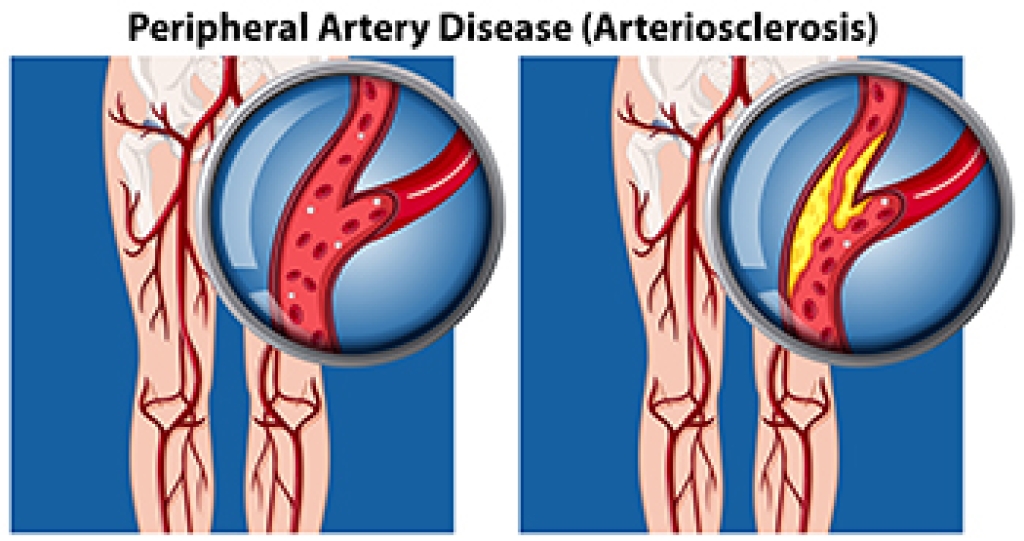
An ankle brachial index test, often called an ABI, is a simple, noninvasive way to measure how well blood is flowing to your legs and feet. It compares the blood pressure in your ankle to the blood pressure in your arm. When these numbers are evaluated together, they can show whether circulation is reduced, which is a key sign of peripheral artery disease. The test is quick, comfortable, and performed in many podiatry offices. This evaluation is especially important for people who experience leg cramps while walking, have slow-healing wounds, or live with conditions such as diabetes or vascular disease. By identifying circulation problems early, providers can recommend treatments or lifestyle changes that help protect long-term mobility and prevent serious complications. If you notice leg pain, cold feet, or wounds that are not healing, it is suggested that you see a podiatrist for proper testing and guidance.

Vascular testing plays an important part in diagnosing disease like peripheral artery disease. If you have symptoms of peripheral artery disease, or diabetes, consult with Carrie Frame, DPM from West Virginia Foot & Ankle. Our doctor will assess your condition and provide you with quality foot and ankle treatment.

What Is Vascular Testing?

Vascular testing checks for how well blood circulation is in the veins and arteries. This is most often done to determine and treat a patient for peripheral artery disease (PAD), stroke, and aneurysms. Podiatrists utilize vascular testing when a patient has symptoms of PAD or if they believe they might. If a patient has diabetes, a podiatrist may determine a vascular test to be prudent to check for poor blood circulation.

How Is it Conducted?

Most forms of vascular testing are non-invasive. Podiatrists will first conduct a visual inspection for any wounds, discoloration, and any abnormal signs prior to a vascular test.

 The most common tests include:

  • Ankle-Brachial Index (ABI) examination
  • Doppler examination
  • Pedal pulses

These tests are safe, painless, and easy to do. Once finished, the podiatrist can then provide a diagnosis and the best course for treatment.

If you have any questions please contact our office located in Charleston, WV . We offer the newest diagnostic and treatment technologies for all your foot and ankle needs.

Read more about Vascular Testing in Podiatry

Running Shoes for Comfort and Performance

Running shoes play an important role in protecting your feet and improving your overall movement. Good cushioning helps absorb impact and reduce stress on your joints, while stability features keep your foot from rolling too far inward or outward. Proper support guides natural motion and lowers the risk of common injuries. A proper fit is essential because shoes that are too tight or too loose can create discomfort and lead to blisters or strain. All of these features work together to keep your feet comfortable and safe during activity. A podiatrist can evaluate your foot type, gait, and needs to help you choose the best footwear. If you have foot pain from wearing the wrong type of shoes, it is suggested that you consult a podiatrist who can treat various foot conditions and provide individualized guidance on the right type of running shoes to purchase.

You should always make sure your running shoes fit properly in order to avoid injury. For more information, contact Carrie Frame, DPM from West Virginia Foot & Ankle. Our doctor can provide the care you need to keep you pain-free and on your feet.

Choosing the Right Running Shoe for Your Foot Type

Improper shoe sizing can cause a myriad of problems for your feet. Shoes that don’t fit you properly can lead to muscular imbalances in your body, which can result in foot, knee, and hip injuries.

Tips for Finding the Right Running Shoe

  • Make sure you have a thumb’s width of wiggle room between the end of your longest toe and the front of the shoe.
  • There should be little to no slipping at the heel
  • Don’t assume your size in one shoe brand will be your size in another
  • Do not lace up your shoes too tightly
  • Walk around in the store with your new shoes before you buy them

If you have any questions, please feel free to contact our office located in Charleston, WV . We offer the newest diagnostic and treatment technologies for all your foot care needs.

Read more about Differences between Walking and Running Shoes

Finding Relief from Bunion Discomfort

When the big toe starts to angle toward the smaller toes, a bony bump can form at its base, often leading to pain, redness, and swelling. Bunions tend to worsen over time and are commonly linked to inherited foot structure, tight shoes, or repeated stress on the forefoot. As the joint becomes irritated, even walking short distances may feel uncomfortable. Comfort-focused changes can help reduce strain and relieve pressure. Supportive shoes with roomy toe boxes, soft padding, and custom orthotics can make a noticeable difference. Applying cold packs and doing gentle toe exercises may also ease soreness. In some cases, professional treatment is needed to correct alignment or reduce inflammation. If your foot pain or joint swelling continues to interfere with daily activities, it is suggested that you consult a podiatrist for expert evaluation and a personalized care plan.

If you are suffering from bunion pain, contact Carrie Frame, DPM of West Virginia Foot & Ankle. Our doctor can provide the care you need to keep you pain-free and on your feet.

What Is a Bunion?

Bunions are painful bony bumps that usually develop on the inside of the foot at the joint of the big toe. As the deformity increases over time, it may become painful to walk and wear shoes. Women are more likely to exacerbate existing bunions since they often wear tight, narrow shoes that shift their toes together. Bunion pain can be relieved by wearing wider shoes with enough room for the toes.

Causes

  • Genetics – some people inherit feet that are more prone to bunion development
  • Inflammatory Conditions - rheumatoid arthritis and polio may cause bunion development

Symptoms

  • Redness and inflammation
  • Pain and tenderness
  • Callus or corns on the bump
  • Restricted motion in the big toe

In order to diagnose your bunion, your podiatrist may ask about your medical history, symptoms, and general health. Your doctor might also order an x-ray to take a closer look at your feet. Nonsurgical treatment options include orthotics, padding, icing, changes in footwear, and medication. If nonsurgical treatments don’t alleviate your bunion pain, surgery may be necessary.

If you have any questions, please feel free to contact our office located in Charleston, WV . We offer the newest diagnostic and treatment technologies for all your foot care needs.
Read more about What Are Bunions?

Do You Suffer From Painful Feet?

Painful deformities, such as hammertoes, can be treated. Stop living with foot pain, and have beautiful feet again!

Connect With Us

Advanced Podiatric Procedures & Services in the Kanawha County, WV areas