Finding Relief from Bunion Discomfort

When the big toe starts to angle toward the smaller toes, a bony bump can form at its base, often leading to pain, redness, and swelling. Bunions tend to worsen over time and are commonly linked to inherited foot structure, tight shoes, or repeated stress on the forefoot. As the joint becomes irritated, even walking short distances may feel uncomfortable. Comfort-focused changes can help reduce strain and relieve pressure. Supportive shoes with roomy toe boxes, soft padding, and custom orthotics can make a noticeable difference. Applying cold packs and doing gentle toe exercises may also ease soreness. In some cases, professional treatment is needed to correct alignment or reduce inflammation. If your foot pain or joint swelling continues to interfere with daily activities, it is suggested that you consult a podiatrist for expert evaluation and a personalized care plan.

If you are suffering from bunion pain, contact Carrie Frame, DPM of West Virginia Foot & Ankle. Our doctor can provide the care you need to keep you pain-free and on your feet.

What Is a Bunion?

Bunions are painful bony bumps that usually develop on the inside of the foot at the joint of the big toe. As the deformity increases over time, it may become painful to walk and wear shoes. Women are more likely to exacerbate existing bunions since they often wear tight, narrow shoes that shift their toes together. Bunion pain can be relieved by wearing wider shoes with enough room for the toes.

Causes

  • Genetics – some people inherit feet that are more prone to bunion development
  • Inflammatory Conditions - rheumatoid arthritis and polio may cause bunion development

Symptoms

  • Redness and inflammation
  • Pain and tenderness
  • Callus or corns on the bump
  • Restricted motion in the big toe

In order to diagnose your bunion, your podiatrist may ask about your medical history, symptoms, and general health. Your doctor might also order an x-ray to take a closer look at your feet. Nonsurgical treatment options include orthotics, padding, icing, changes in footwear, and medication. If nonsurgical treatments don’t alleviate your bunion pain, surgery may be necessary.

If you have any questions, please feel free to contact our office located in Charleston, WV . We offer the newest diagnostic and treatment technologies for all your foot care needs.

Read more about What Are Bunions?

Do You Suffer From Painful Feet?

Painful deformities, such as hammertoes, can be treated. Stop living with foot pain, and have beautiful feet again!

Relief from Painful Ingrown Toenails

Ingrown toenails occur when the edge of a toenail grows into the surrounding skin, often due to improper trimming, tight footwear, trauma, or inherited nail shape. They may look red, swollen, or curved into the skin. As inflammation increases, the area can become warm and tender. Many people describe a sharp or throbbing pain when walking or even when light pressure touches the toe. In some cases, drainage or infection can develop. The big toe is the most commonly affected because it endures the greatest pressure inside shoes. A podiatrist can start by examining the toe to determine the severity and confirm whether infection is present. Treatments may include gentle removal of the offending nail edge, relief of trapped pressure, guidance on proper nail care, or a minor procedure to prevent the ingrown side from returning. Early care reduces discomfort and supports faster healing. If you notice persistent pain, redness, or swelling around a toenail, it is suggested that you make an appointment with a podiatrist.

Ingrown toenails can become painful if they are not treated properly. For more information about ingrown toenails, contact Carrie Frame, DPM of West Virginia Foot & Ankle. Our doctor can provide the care you need to keep you pain-free and on your feet.

Ingrown Toenails

Ingrown toenails occur when a toenail grows sideways into the bed of the nail, causing pain, swelling, and possibly infection.

Causes

  • Bacterial infections
  • Improper nail cutting such as cutting it too short or not straight across
  • Trauma to the toe, such as stubbing, which causes the nail to grow back irregularly
  • Ill-fitting shoes that bunch the toes too close together
  • Genetic predisposition

Prevention

Because ingrown toenails are not something found outside of shoe-wearing cultures, going barefoot as often as possible will decrease the likeliness of developing ingrown toenails. Wearing proper fitting shoes and using proper cutting techniques will also help decrease your risk of developing ingrown toenails.

Treatment

Ingrown toenails are a very treatable foot condition. In minor cases, soaking the affected area in salt or antibacterial soaps will not only help with the ingrown nail itself, but also help prevent any infections from occurring. In more severe cases, surgery is an option. In either case, speaking to your podiatrist about this condition will help you get a better understanding of specific treatment options that are right for you.

If you have any questions, please feel free to contact our office located in Charleston, WV . We offer the newest diagnostic and treatment technologies for all your foot care needs.
Read more about Ingrown Toenails

Achilles Tendinitis and Heel Pain

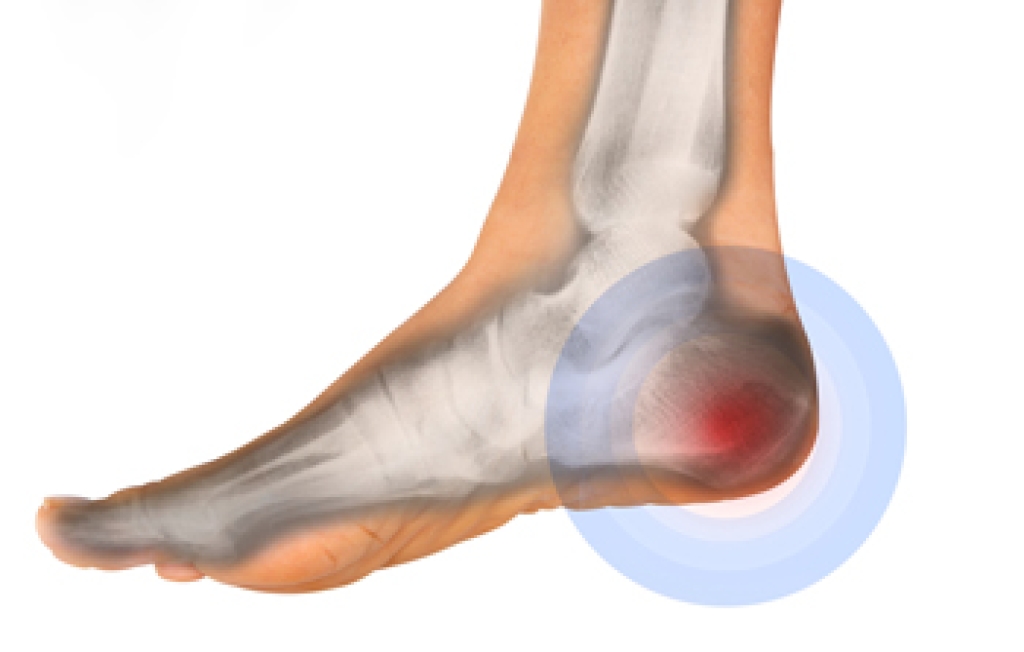
Achilles tendinitis is an overuse injury that affects the tendon connecting the calf muscles to the heel bone. When this tendon becomes irritated, it can cause stiffness, swelling, and pain along the back of the ankle or heel. The discomfort often feels worse in the morning or after physical activity such as running, climbing stairs, or playing sports. This condition can develop from suddenly increasing exercise, wearing unsupportive shoes, or having foot structures that place extra stress on the tendon. Rest and stretching can ease early symptoms, while wearing supportive footwear and targeted exercises may help in ongoing cases. Severe or untreated tendinitis can lead to tears in the tendon, making prompt care important. With the right treatment, most people recover well and return to their normal activities. If you have pain in your heel or Achilles tendon, it is suggested that you see a podiatrist for proper care.

Achilles tendon injuries need immediate attention to avoid future complications. If you have any concerns, contact Carrie Frame, DPM of West Virginia Foot & Ankle. Our doctor can provide the care you need to keep you pain-free and on your feet.

What Is the Achilles Tendon?

The Achilles tendon is a tendon that connects the lower leg muscles and calf to the heel of the foot. It is the strongest tendon in the human body and is essential for making movement possible. Because this tendon is such an integral part of the body, any injuries to it can create immense difficulties and should immediately be presented to a doctor.

What Are the Symptoms of an Achilles Tendon Injury?

There are various types of injuries that can affect the Achilles tendon. The two most common injuries are Achilles tendinitis and ruptures of the tendon.

Achilles Tendinitis Symptoms

  • Inflammation
  • Dull to severe pain
  • Increased blood flow to the tendon
  • Thickening of the tendon

Rupture Symptoms

  • Extreme pain and swelling in the foot
  • Total immobility

Treatment and Prevention

Achilles tendon injuries are diagnosed by a thorough physical evaluation, which can include an MRI. Treatment involves rest, physical therapy, and in some cases, surgery. However, various preventative measures can be taken to avoid these injuries, such as:

  • Thorough stretching of the tendon before and after exercise
  • Strengthening exercises like calf raises, squats, leg curls, leg extensions, leg raises, lunges, and leg presses

If you have any questions please feel free to contact our office located in Charleston, WV . We offer the newest diagnostic tools and technology to treat your foot and ankle needs.

Read more about The Causes, Types, and Treatments of Achilles Tendon Injuries

Recognizing a Fungal Toenail Infection

A toenail infection, known as onychomycosis when caused by fungus, can affect the way your nails look and feel. Infected toenails often become thick, brittle, and discolored, turning yellow, brown, or even white in appearance. The surface may develop ridges, crumble at the edges, or lift away from the nail bed. Warm and damp environments, such as heavy work boots or locker room floors, can encourage fungal growth, making toenails particularly vulnerable. In addition to fungal infections, bacteria can also infect the nail, leading to swelling, redness, and discomfort around the nail fold. These changes may interfere with walking, cause pain when wearing shoes, or increase the risk of further foot problems. A podiatrist can perform an examination, remove a small sample of nail if needed, and determine the cause of the infection. Early treatment helps prevent complications and restores nail health. If you believe you have a toenail infection, it is suggested that you make an appointment with a podiatrist for a diagnosis and treatment.

For more information about treatment, contact Carrie Frame, DPM of West Virginia Foot & Ankle. Our doctor can provide the care you need to keep you pain-free and on your feet.

Toenail Fungus Treatment

Toenail fungus is a condition that affects many people and can be especially hard to get rid of. Fortunately, there are several methods to go about treating and avoiding it.

Antifungals & Deterrence

Oral antifungal medicine has been shown to be effective in many cases. It is important to consult with a podiatrist to determine the proper regiment for you, or potentially explore other options.

Applying foot powder on the feet and shoes helps keep the feet free of moisture and sweat.

Sandals or open toed shoes – Wearing these will allow air movement and help keep feet dry. They also expose your feet to light, which fungus cannot tolerate. Socks with moisture wicking material also help as well.

If you have any questions please contact our office located in Charleston, WV . We offer the newest diagnostic and treatment technologies for all your foot and ankle needs.

Read more about Treating Toenail Fungus

Connect With Us

Advanced Podiatric Procedures & Services in the Kanawha County, WV areas