Connect With Us

Pregnancy can lead to long-term changes in the feet because the body undergoes shifts that affect ligaments, posture, and weight distribution. As hormone levels rise, the ligaments the body, including those that support the arches, become more flexible. This increased looseness, combined with added weight, can cause the arches to lower and the feet to widen. Some people notice that their shoe size increases and does not fully return after delivery. These structural shifts may lead to new areas of soreness, changes in balance, or greater fatigue when walking. Wearing supportive footwear, shoe inserts, and gentle strengthening can help maintain comfort as the feet adapt. A podiatrist can evaluate any lasting changes, provide recommendations for support, and address conditions that may develop as a result of pregnancy-related foot changes. If your foot discomfort continues after childbirth, it is suggested that you see a podiatrist for an evaluation and treatment options.
Pregnant women with swollen feet can be treated with a variety of different methods that are readily available. For more information about other cures for swollen feet during pregnancy, consult with Carrie Frame, DPM from West Virginia Foot & Ankle. Our doctor will attend to all of your foot and ankle needs.
What Foot Problems Can Arise During Pregnancy?
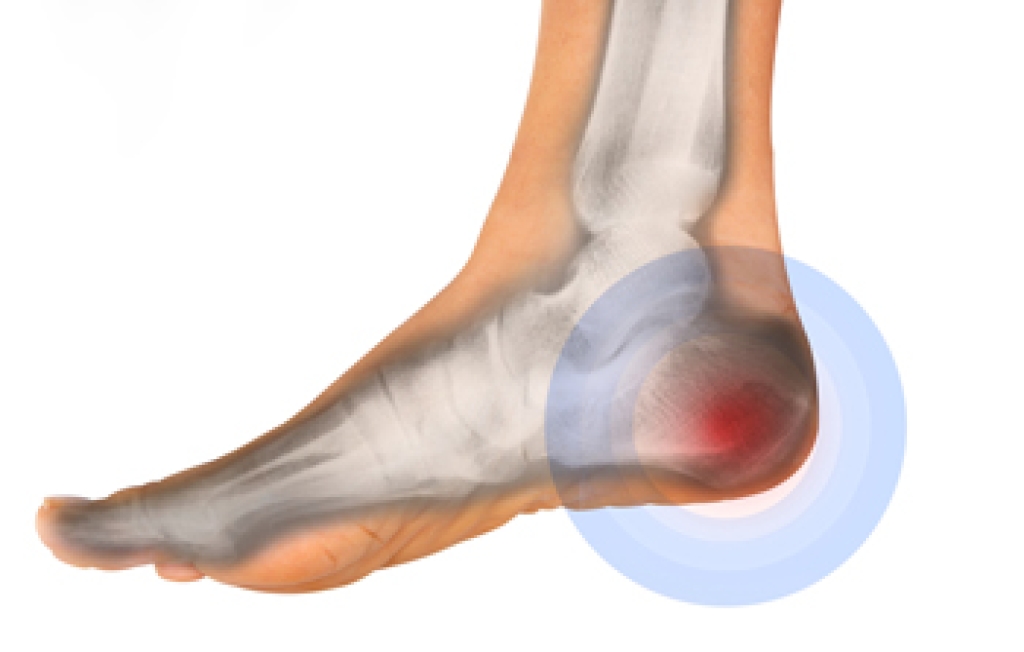
One problem that can occur is overpronation, which occurs when the arch of the foot flattens and tends to roll inward. This can cause pain and discomfort in your heels while you’re walking or even just standing up, trying to support your baby.
Another problem is edema, or swelling in the extremities. This often affects the feet during pregnancy but tends to occur in the later stages.
How Can I Keep My Feet Healthy During Pregnancy?
If you have any questions, please feel free to contact our office located in Charleston, WV . We offer the newest diagnostic and treatment technologies for all your foot care needs.

Athlete’s foot is a common fungal infection seen by podiatrists, often affecting teens and adults who sweat in shoes. Symptoms include itching, peeling skin, cracking between toes, and blisters that form on the sole or instep. The skin may look white, scaly, or raw, and blisters can appear clear or cloudy. It may feel itchy, sore, or painful when walking. Causes include warm, moist environments, shared showers, tight footwear, and contact with contaminated surfaces. A podiatrist can help from the start by examining the skin, confirming a diagnosis, and ruling out similar conditions. Treatment may include topical or oral antifungal medications, blister care, drying strategies, and prevention education. Prompt professional guidance supports healing, reduces recurrence risk, and protects family members and teammates nearby. Early care helps prevent spread, so it is suggested that you make an appointment with a podiatrist if you are dealing with skin issues on your feet.
Athlete’s foot is an inconvenient condition that can be easily reduced with the proper treatment. If you have any concerns about your feet and ankles, contact Carrie Frame, DPM from West Virginia Foot & Ankle. Our doctor will treat your foot and ankle needs.
Athlete’s Foot: The Sole Story
Athlete's foot, also known as tinea pedis, can be an extremely contagious foot infection. It is commonly contracted in public changing areas and bathrooms, dormitory style living quarters, around locker rooms and public swimming pools, or anywhere your feet often come into contact with other people.
Solutions to Combat Athlete’s Foot
Athlete’s foot can cause many irritating symptoms such as dry and flaking skin, itching, and redness. Some more severe symptoms can include bleeding and cracked skin, intense itching and burning, and even pain when walking. In the worst cases, Athlete’s foot can cause blistering as well. Speak to your podiatrist for a better understanding of the different causes of Athlete’s foot, as well as help in determining which treatment options are best for you.
If you have any questions please feel free to contact our office located in Charleston, WV . We offer the newest diagnostic and treatment technologies for all your foot and ankle needs.

Foot stress fractures develop when repeated pressure on the bones of the feet builds faster than the body can recover. Risk increases with a sudden increase in activity, such as adding distance, speed, or training days too quickly. Moving from softer ground to harder surfaces raises impact through the toes, midfoot, and heel. Foot problems like bunions or blisters can change how weight is placed, forcing one bone to absorb extra stress. Shoes lacking adequate support, poor fit, stiffness, or heavy wear increase strain, especially during long-term walking or standing. Flip-flops can worsen this effect. Sports that involve running, jumping, or quick direction changes raise the risk of stress fractures, but extended walking on uneven ground can also lead to problems. Bone weakness and a prior stress fracture further increase risk. For help with foot problems, it is suggested that you consult a podiatrist for an exam and treatment.
Stress fractures occur when there is a tiny crack within a bone. To learn more, contact Carrie Frame, DPM from West Virginia Foot & Ankle. Our doctor can provide the care you need to keep you pain free and on your feet.
How Are They Caused?
Stress fractures are the result of repetitive force being placed on the bone. Since the lower leg and feet often carry most of the body’s weight, stress fractures are likely to occur in these areas. If you rush into a new exercise, you are more likely to develop a stress fracture since you are starting too much, too soon. Pain resulting from stress fractures may go unnoticed at first, however it may start to worsen over time.
Risk Factors
Stress fractures do not always heal properly, so it is important that you seek help from a podiatrist if you suspect you may have one. Ignoring your stress fracture may cause it to worsen, and you may develop chronic pain as well as additional fractures.
If you have any questions please contact our office located in Charleston, WV . We offer the newest diagnostic and treatment technologies for all your foot and ankle needs.

A broken toe is a common injury that can result from trauma, such as stubbing, dropping a heavy object on the foot, or sports related accidents. The toe may look swollen, bruised, or misaligned, and, in severe cases, it may appear deformed or out of place. It often feels painful, tender, or throbbing, particularly while walking, standing, or applying pressure. Additional symptoms can include difficulty in moving the toe, stiffness, or a cracking sensation at the time of injury. A podiatrist can begin by performing a thorough examination, assessing the degree of injury, and ordering imaging, such as X-rays, to confirm the break and identify any displacement. Treatment may involve buddy taping, protective footwear, pain management, or in more severe cases, surgical intervention to properly realign the bones. Because early professional care promotes healing, prevents complications, and restores mobility, it is suggested that you promptly schedule an appointment with a podiatrist for appropriate treatment solutions.
A broken toe can be very painful and lead to complications if not properly fixed. If you have any concerns about your feet, contact Carrie Frame, DPM from West Virginia Foot & Ankle. Our doctor will treat your foot and ankle needs.
What to Know About a Broken Toe
Although most people try to avoid foot trauma such as banging, stubbing, or dropping heavy objects on their feet, the unfortunate fact is that it is a common occurrence. Given the fact that toes are positioned in front of the feet, they typically sustain the brunt of such trauma. When trauma occurs to a toe, the result can be a painful break (fracture).
Symptoms of a Broken Toe
Generally, it is best to stay off of the injured toe with the affected foot elevated.
Severe toe fractures may be treated with a splint, cast, and in some cases, minor surgery. Due to its position and the pressure it endures with daily activity, future complications can occur if the big toe is not properly treated.
If you have any questions, please feel free to contact our office located in Charleston, WV . We offer the newest diagnostic and treatment technologies for all your foot care needs.
Connect With Us