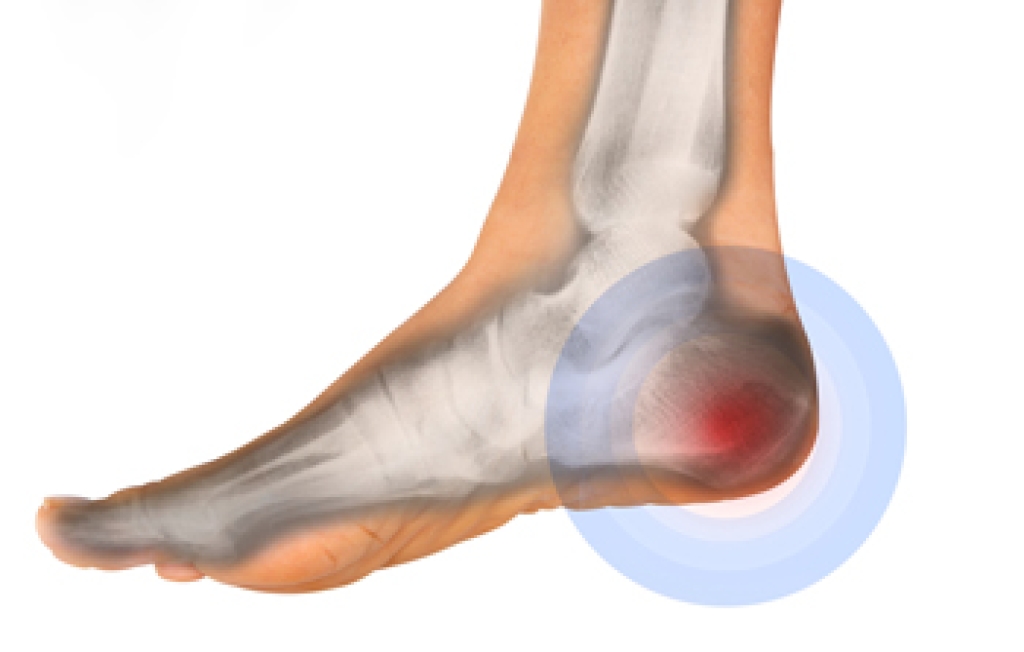
Treating Achilles Tendon Injuries

The Achilles tendon is a strong band of tissue that connects the calf muscles to the heel bone. It plays an important role in walking, running, jumping, and pushing off the foot. Because it absorbs significant force during movement, it is vulnerable to injury. Achilles tendon injuries often develop from repetitive stress, overuse, or sudden increases in physical activity. Athletes who participate in sports that involve running, quick stops, and rapid changes in direction may face a higher risk. Common symptoms include pain along the back of the ankle, stiffness, swelling, and discomfort that worsens during movement. In some cases, the tendon may weaken over time, increasing the risk of more serious injury.


Achilles tendon injuries can range from irritation and inflammation to degeneration of the tendon fibers. More severe cases may involve a partial or complete tear. A tendon tear often occurs during a sudden movement, such as sprinting, pivoting, or abruptly changing direction. Some people report hearing or feeling a pop when the injury occurs, followed by significant pain and difficulty walking. Early evaluation is important because untreated tendon problems can affect mobility and make everyday activities more challenging. A comprehensive examination helps determine the extent of the injury and guides the most appropriate treatment plan.


A podiatrist specializes in diagnosing and treating conditions that affect the feet and ankles, including Achilles tendon injuries. Treatment recommendations vary depending on the severity of the condition and may focus on reducing stress on the tendon, supporting healing, and restoring normal function. Prompt podiatric care can help prevent further damage and improve long-term outcomes. Identifying and addressing Achilles tendon injuries early is often key to maintaining an active lifestyle and avoiding complications. If you are experiencing Achilles tendon pain, stiffness, swelling, or difficulty walking, it is suggested that you consult a podiatrist for an evaluation and appropriate treatment options.

Achilles tendon injuries need immediate attention to avoid future complications. If you have any concerns, contact Carrie Frame, DPM of West Virginia Foot & Ankle. Our doctor can provide the care you need to keep you pain-free and on your feet.

What Is the Achilles Tendon?

The Achilles tendon is a tendon that connects the lower leg muscles and calf to the heel of the foot. It is the strongest tendon in the human body and is essential for making movement possible. Because this tendon is such an integral part of the body, any injuries to it can create immense difficulties and should immediately be presented to a doctor.

What Are the Symptoms of an Achilles Tendon Injury?

There are various types of injuries that can affect the Achilles tendon. The two most common injuries are Achilles tendinitis and ruptures of the tendon.

Achilles Tendinitis Symptoms

  • Inflammation
  • Dull to severe pain
  • Increased blood flow to the tendon
  • Thickening of the tendon

Rupture Symptoms

  • Extreme pain and swelling in the foot
  • Total immobility

Treatment and Prevention

Achilles tendon injuries are diagnosed by a thorough physical evaluation, which can include an MRI. Treatment involves rest, physical therapy, and in some cases, surgery. However, various preventative measures can be taken to avoid these injuries, such as:

  • Thorough stretching of the tendon before and after exercise
  • Strengthening exercises like calf raises, squats, leg curls, leg extensions, leg raises, lunges, and leg presses

If you have any questions please feel free to contact our office located in Charleston, WV . We offer the newest diagnostic tools and technology to treat your foot and ankle needs.

Read more about What are Achilles Tendon Injuries

Nerve Trouble in the Feet

Peripheral neuropathy is a condition in which nerves in the feet do not send signals normally, often causing burning, tingling, numbness, or sharp pain. It can develop from diabetes, poor circulation, nerve compression, or other medical conditions. Symptoms may begin gradually and worsen over time, sometimes affecting balance and increasing the risk of unnoticed injuries or skin breakdown. A podiatrist can evaluate nerve function, assess circulation, examine the skin and foot structure, and identify possible causes of discomfort. Treatment may include pressure relief strategies, custom orthotics, footwear recommendations, and management plans aimed at reducing symptoms and protecting foot health. Early care is important because loss of sensation can allow small problems to become serious. If you have signs of neuropathy, it is suggested that you visit a podiatrist for an evaluation and appropriate relief and management solutions.

Neuropathy

Neuropathy can be a potentially serious condition, especially if it is left undiagnosed. If you have any concerns that you may be experiencing nerve loss in your feet, consult with Carrie Frame, DPM from West Virginia Foot & Ankle. Our doctor will assess your condition and provide you with quality foot and ankle treatment for neuropathy.

What Is Neuropathy?

Neuropathy is a condition that leads to damage to the nerves in the body. Peripheral neuropathy, or neuropathy that affects your peripheral nervous system, usually occurs in the feet. Neuropathy can be triggered by a number of different causes. Such causes include diabetes, infections, cancers, disorders, and toxic substances.

Symptoms of Neuropathy Include:

  • Numbness
  • Sensation loss
  • Prickling and tingling sensations
  • Throbbing, freezing, burning pains
  • Muscle weakness

Those with diabetes are at serious risk due to being unable to feel an ulcer on their feet. Diabetics usually also suffer from poor blood circulation. This can lead to the wound not healing, infections occurring, and the limb may have to be amputated.

Treatment

To treat neuropathy in the foot, podiatrists will first diagnose the cause of the neuropathy. Figuring out the underlying cause of the neuropathy will allow the podiatrist to prescribe the best treatment, whether it be caused by diabetes, toxic substance exposure, infection, etc. If the nerve has not died, then it’s possible that sensation may be able to return to the foot.

Pain medication may be issued for pain. Electrical nerve stimulation can be used to stimulate nerves. If the neuropathy is caused from pressure on the nerves, then surgery may be necessary.

If you have any questions, please feel free to contact our office located in Charleston, WV . We offer the newest diagnostic and treatment technologies for all your foot care needs.

Read more about Neuropathy

We Can Treat Your Foot or Ankle Pain

Foot or ankle pain can negatively affect your day-to-day life and can occur due to several different conditions. Pain can also be an indicator of a more serious underlying condition, which is why you should seek professional help as soon as you notice any abnormalities in your feet.

High Heels in Moderation

Wearing high heels regularly can take a toll on your body over time, and may produce weakened ligaments, lower back and knee pain, bunions, corns, calluses, plantar fasciitis, hammertoe, Morton’s neuroma, sesamoiditis, stiffened/shortened Achilles tendons, ankle sprains, and more. Women who are not dissuaded completely from wearing high heels can try to minimize their harmful effects with a few modifications. Shoes should be properly fitted and not too small. Foot size changes with age, childbirth, and fluctuations in weight, and feet should be measured for length and width with every shoe purchase. Heels should not be worn every day—only once in a while or on special occasions. Pencil-thin stilettos should be switched out with wider-heeled shoes which distribute body weight more evenly across the heel, or platforms or wedges that offer more stability and support. T-strap or Mary Jane styles help prevent the foot from sliding forward into the narrower part of the shoe, and also keep it more aligned evenly over the arch. A podiatrist may have additional footwear advice as well as the ability to create custom orthotics for support and to relieve pressure points on the foot caused by high heels.

High heels have a history of causing foot and ankle problems. If you have any concerns about your feet or ankles, contact Carrie Frame, DPM from West Virginia Foot & Ankle. Our doctor can provide the care you need to keep you pain-free and on your feet.

Effects of High Heels on the Feet

High heels are popular shoes among women because of their many styles and societal appeal.  Despite this, high heels can still cause many health problems if worn too frequently.

Which Parts of My Body Will Be Affected by High Heels?

  • Ankle Joints
  • Achilles Tendon – May shorten and stiffen with prolonged wear
  • Balls of the Feet
  • Knees – Heels cause the knees to bend constantly, creating stress on them
  • Back – They decrease the spine’s ability to absorb shock, which may lead to back pain.  The vertebrae of the lower back may compress.

What Kinds of Foot Problems Can Develop from Wearing High Heels?

  • Corns
  • Calluses
  • Hammertoe
  • Bunions
  • Morton’s Neuroma
  • Plantar Fasciitis

How Can I Still Wear High Heels and Maintain Foot Health?

If you want to wear high heeled shoes, make sure that you are not wearing them every day, as this will help prevent long term physical problems.  Try wearing thicker heels as opposed to stilettos to distribute weight more evenly across the feet.  Always make sure you are wearing the proper shoes for the right occasion, such as sneakers for exercising.  If you walk to work, try carrying your heels with you and changing into them once you arrive at work.  Adding inserts to your heels can help cushion your feet and absorb shock. Full foot inserts or metatarsal pads are available. 

If you have any questions, please feel free to contact our office located in Charleston, WV . We offer the newest diagnostic and treatment technologies for all your foot care needs.
Read more about Effect of High Heels on the Feet

Treating a Hammertoe Deformity

A hammertoe deformity develops when a toe bends abnormally at the middle joint, causing the toe to curl downward instead of lying flat. The second toe is most commonly affected. Hammertoes can develop from muscle and tendon imbalance, arthritis, or years of wearing tight shoes with a narrow toe box. Symptoms include toe pain, corns, calluses, and discomfort when walking or wearing shoes. Some people also develop pain in the ball of the foot because pressure shifts unevenly across the foot. A podiatrist can diagnose a hammertoe deformity through a foot exam and by checking the joints for signs of arthritis. Treatment includes wearing shoes with a wide toe box, protective toe pads, and custom orthotics to reduce pressure and improve foot alignment. Taping or splinting the toe can help support its position. In more severe cases, surgery can straighten the toe and relieve pain. If you are experiencing pain from a hammertoe deformity, it is suggested that you schedule an appointment with a podiatrist for appropriate treatment solutions.

Hammertoes can be a painful condition to live with. For more information, contact Carrie Frame, DPM of West Virginia Foot & Ankle. Our doctor will answer any of your foot- and ankle-related questions.

Hammertoe

Hammertoe is a foot deformity that occurs due to an imbalance in the muscles, tendons, or ligaments that normally hold the toe straight. It can be caused by the type of shoes you wear, your foot structure, trauma, and certain disease processes.

Symptoms

  • Painful and/or difficult toe movement
  • Swelling
  • Joint stiffness
  • Calluses/Corns
  • Physical deformity

Risk Factors

  • Age – The risk of hammertoe increases with age
  • Sex – Women are more likely to have hammertoe compared to men
  • Toe Length – You are more likely to develop hammertoe if your second toe is longer than your big toe
  • Certain Diseases – Arthritis and diabetes may make you more likely to develop hammertoe

Treatment

If you have hammertoe, you should change into a more comfortable shoe that provides enough room for your toes. Exercises such as picking up marbles may strengthen and stretch your toe muscles. Nevertheless, it is important to seek assistance from a podiatrist in order to determine the severity of your hammertoe and see which treatment option will work best for you.

If you have any questions, please feel free to contact our office located in Charleston, WV . We offer the newest diagnostic and treatment technologies for all your foot care needs.
Read more about Hammertoe

Connect With Us

Advanced Podiatric Procedures & Services in the Kanawha County, WV area