When a Curled Toenail Grows Into the Skin

An ingrown toenail develops when the edge of a toenail presses into the surrounding skin instead of growing straight outward. This most often affects the big toe and can quickly become painful. Early signs include redness, swelling, and tenderness along one side of the nail. As the nail continues to push into the skin, the area may become warm and irritated. In some cases, infection develops, leading to drainage or increased swelling. Ingrown toenails can be caused by trimming the nail too short, cutting the corners of the nail, tight shoes that place pressure on the toes, or injury to the nail. Some people also have naturally curved nails that increase the risk. A podiatrist can examine the toe and determine the best way to relieve the pressure. Treatment includes careful nail trimming, protective care, or a small procedure that removes part of the nail to prevent it from growing inward again. If you have an ingrown toenail, it is suggested that you make an appointment with a podiatrist.

Ingrown toenails can become painful if they are not treated properly. For more information about ingrown toenails, contact Carrie Frame, DPM of West Virginia Foot & Ankle. Our doctor can provide the care you need to keep you pain-free and on your feet.

Ingrown Toenails

Ingrown toenails occur when a toenail grows sideways into the bed of the nail, causing pain, swelling, and possibly infection.

Causes

  • Bacterial infections
  • Improper nail cutting such as cutting it too short or not straight across
  • Trauma to the toe, such as stubbing, which causes the nail to grow back irregularly
  • Ill-fitting shoes that bunch the toes too close together
  • Genetic predisposition

Prevention

Wearing proper fitting shoes and using proper cutting techniques will also help decrease your risk of developing ingrown toenails.

Treatment

Ingrown toenails are a very treatable foot condition. In minor cases, soaking the affected area in salt or antibacterial soaps will not only help with the ingrown nail itself, but also help prevent any infections from occurring. In more severe cases, surgery is an option. In either case, speaking to your podiatrist about this condition will help you get a better understanding of specific treatment options that are right for you.

If you have any questions, please feel free to contact our office located in Charleston, WV . We offer the newest diagnostic and treatment technologies for all your foot care needs.
Read more about Ingrown Toenail Care

Understanding Sever’s Disease and Pediatric Heel Pain

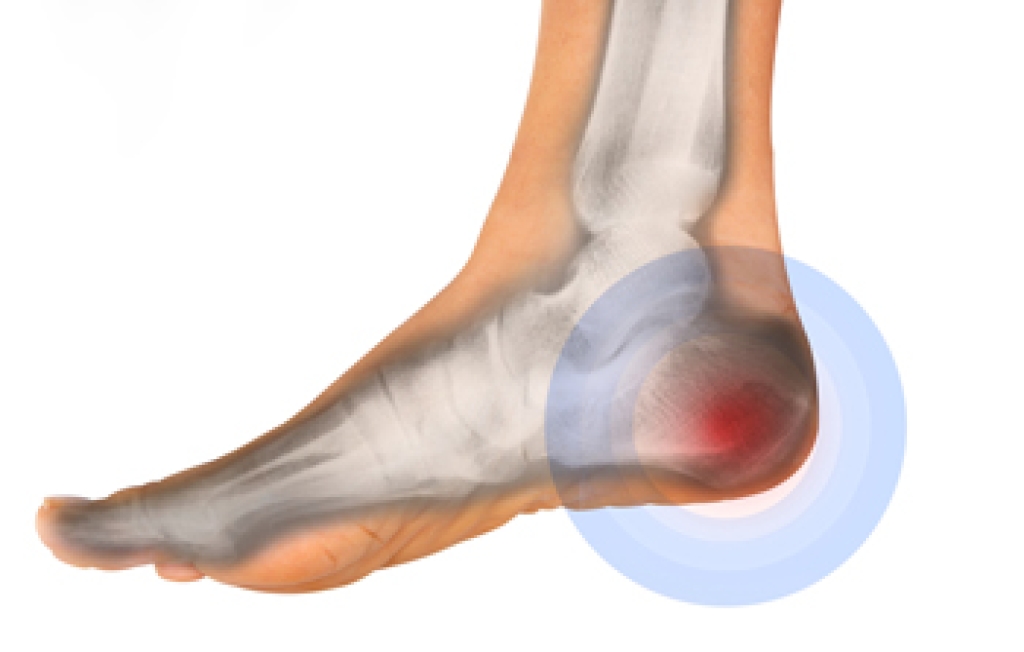
Sever’s disease is a common cause of pediatric heel pain that occurs when the growth plate at the back of the heel becomes inflamed. It typically affects children and adolescents during periods of rapid growth, especially among children who participate in running and jumping activities. The condition develops when repetitive stress and tight calf muscles place excess strain on the heel bone. Symptoms often include tenderness, swelling, and pain with deep pressure at the back of the heel, which may worsen during or after activity. Risk factors include high activity levels, wearing improper footwear, and growth spurts. A podiatrist can provide evaluation, stretching guidance, and supportive orthotics. If your active child has heel pain, it is suggested that you consult a podiatrist who can provide an accurate diagnosis and offer relief solutions.

Sever's disease often occurs in children and teens. If your child is experiencing foot or ankle pain, see Carrie Frame, DPM from West Virginia Foot & Ankle. Our doctor can treat your child’s foot and ankle needs.

Sever’s Disease

Sever’s disease is also known as calcaneal apophysitis, which is a medical condition that causes heel pain I none or both feet. The disease is known to affect children between the ages of 8 and 14.

Sever’s disease occurs when part of the child’s heel known as the growth plate (calcaneal epiphysis) is attached to the Achilles tendon. This area can suffer injury when the muscles and tendons of the growing foot do not keep pace with bone growth. Therefore, the constant pain which one experiences at the back of the heel will make the child unable to put any weight on the heel. The child is then forced to walk on their toes.

Symptoms

Acute pain – Pain associated with Sever’s disease is usually felt in the heel when the child engages in physical activity such as walking, jumping and or running.

Highly active – Children who are very active are among the most susceptible in experiencing Sever’s disease, because of the stress and tension placed on their feet.

If you have any questions, please feel free to contact our office located in Charleston, WV . We offer the newest diagnostic and treatment technologies for all your foot care needs.
Read more about Sever's Disease

Morton’s Neuroma and When Surgery May Be Needed

Morton's neuroma is a painful condition involving thickening of the tissue surrounding a nerve, most commonly between the third and fourth toes. It is often caused by repetitive pressure, wearing improper footwear, high-impact activities, or abnormal foot mechanics that compress the nerve. Symptoms include burning pain in the ball of the foot, tingling, numbness, and the sensation of standing on a small pebble. When conservative treatments do not relieve discomfort, surgery may be recommended to remove the affected nerve tissue and reduce persistent pain. A podiatrist can diagnose the condition, provide conservative care, and determine whether surgery is appropriate. If you have pain in this part of your foot, it is suggested that you consult a podiatrist who can provide a diagnosis and treatment.

Foot surgery is sometimes necessary to treat a foot ailment. To learn more, contact Carrie Frame, DPM of West Virginia Foot & Ankle. Our doctor will assist you with all of your foot and ankle needs.

When Is Surgery Necessary?

Foot and ankle surgery is generally reserved for cases in which less invasive, conservative procedures have failed to alleviate the problem. Some of the cases in which surgery may be necessary include:

  • Removing foot deformities like bunions and bone spurs
  • Severe arthritis that has caused bone issues
  • Cosmetic reconstruction

What Types of Surgery Are There?

The type of surgery you receive will depend on the nature of the problem you have. Some of the possible surgeries include:

  • Bunionectomy for painful bunions
  • Surgical fusion for realignment of bones
  • Neuropathy decompression surgery to treat nerve damage

Benefits of Surgery

Although surgery is usually a last resort, it can provide more complete pain relief compared to non-surgical methods and may allow you to finally resume full activity.

Surgical techniques have also become increasingly sophisticated. Techniques like endoscopic surgery allow for smaller incisions and faster recovery times.

If you have any questions, please feel free to contact our office located in Charleston, WV . We offer the newest diagnostic and treatment technologies for all your foot care needs.
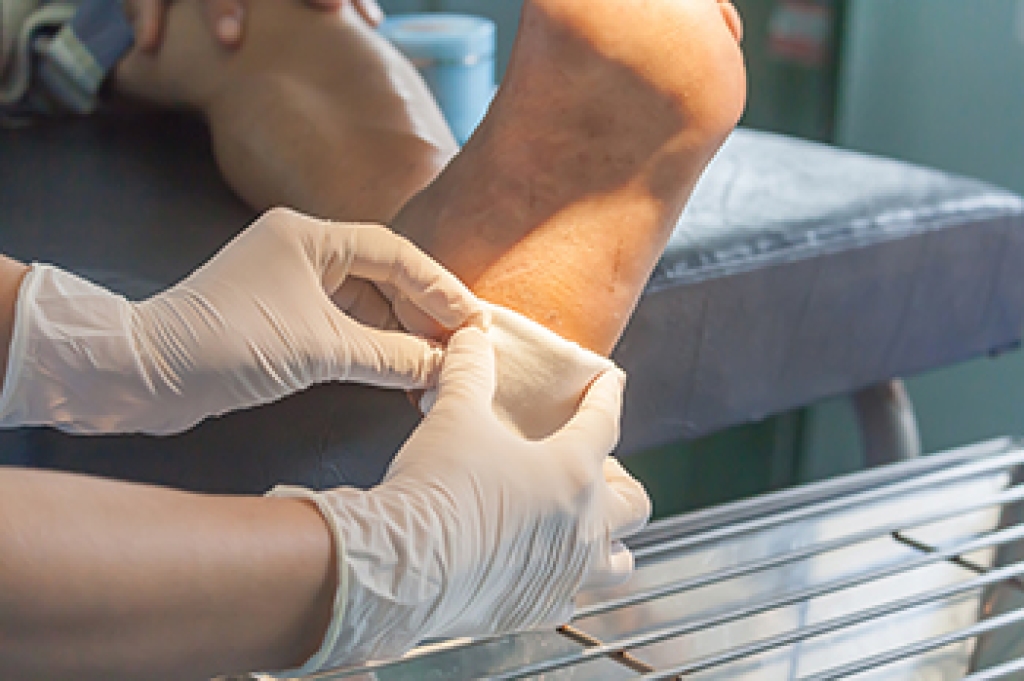
Read more about Foot and Ankle Surgery

Heel Pain in the Morning?

Heel pain can negatively affect your day-to-day life. Simple activities like walking can become incredibly uncomfortable or painful due to heel pain.

Don’t live with heel pain and get treated.

How to Measure Feet for a Perfect Shoe Fit

Finding the right shoe size at home begins with measuring your feet carefully. Place a sheet of paper on a flat surface against a wall and stand on it without socks, keeping your heel lightly touching the wall. Trace the outline of your foot while standing to capture its full shape. Measure the distance from the heel to the longest toe to determine length, then measure the widest part of the foot for width. Repeat with the other foot since sizes may differ. Compare your measurements to a reliable sizing chart from the shoe brand you plan to purchase. A podiatrist can evaluate foot shape, arch type, and gait to also help ensure proper fit and comfort. If you have foot pain from wearing the wrong size shoes, it is suggested that you consult a podiatrist who can offer effective relief tips, and guide you on additional ways to find your correct shoe size.

Finding a properly-fitting shoe is important in reducing injuries and preventing foot problems. For more information about treatment, contact Carrie Frame, DPM from West Virginia Foot & Ankle. Our doctor will treat your foot and ankle needs.

Proper Shoe Fitting

A common concern when it comes to foot health, having properly fitted shoes can help prevent injuries to the foot. Out feet affect our posture and gait, which in turn affects the biomechanics and overall bodily structure. With 33 joints, 26 bones, and over 100 ligaments, the potential for serious injury is much greater than one realizes. Although the feet cease growth in adulthood, they still change shape as they mature. Here are some factors to consider when it comes to investing in proper fitting shoes:

  • Be sure the shoes fit correctly right away
  • Ensure the ball of your foot fits comfortably in the widest portion of the shoes
  • Even though they may look fashionable, improper fitting shoes can either create adverse conditions or exacerbate existing ones you may already have
  • Walk along a carpeted surface to ensure the shoes comfortably fit during normal activity

Keeping in mind how shoes fit the biomechanics of your body, properly-fitting shoes are vitally important. Fortunately, it is not difficult to acquire footwear that fits correctly. Be sure to wear shoes that support the overall structure of your body. Do your feet a favor and invest in several pairs of well-fitted shoes today.

If you have any questions, please feel free to contact our office located in Charleston, WV . We offer the newest diagnostic and treatment technologies for all your foot care needs.

Read more about How to Get a Proper Shoe Fit

Connect With Us

Advanced Podiatric Procedures & Services in the Kanawha County, WV areas