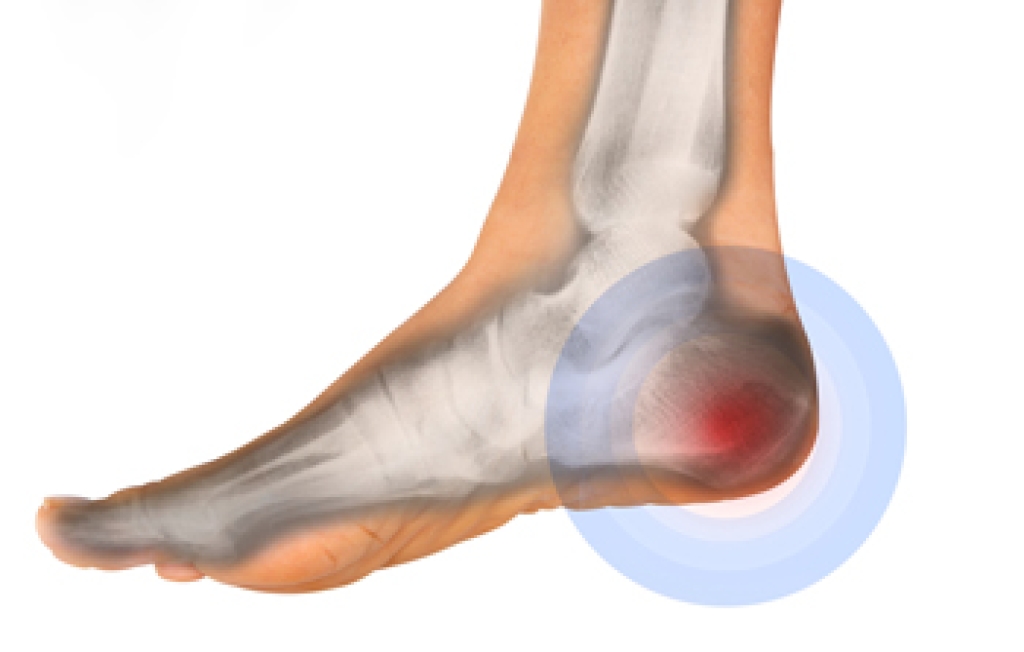
Symptoms and Causes of Plantar Fasciitis

Plantar fasciitis is a painful condition that affects the broad band of tissue along the bottom of the foot.  This tissue, called the plantar fascia, supports the arch and connects the heel to the toes. When it becomes irritated or inflamed, heel pain often develops. Causes include long periods of standing, running, rapid weight gain, and tight calf muscles. Flat feet, high arches, and shoes that do not provide enough support can also increase the risk. Symptoms of plantar fasciitis include sharp pain in the heel, especially with the first steps in the morning or after sitting for a long time. The pain may ease with movement but often returns after long periods of being on your feet. A podiatrist can examine the foot to identify the cause. Treatment options include prescribing custom orthotics, stretching exercises, and support for proper foot function. If you have symptoms of plantar fasciitis, it is suggested that you schedule an appointment with a podiatrist for a diagnosis and appropriate treatment. 

Plantar fasciitis is a common foot condition that is often caused by a strain injury. If you are experiencing heel pain or symptoms of plantar fasciitis, contact Carrie Frame, DPM from West Virginia Foot & Ankle. Our doctor can provide the care you need to keep you pain-free and on your feet.

What Is Plantar Fasciitis?

Plantar fasciitis is one of the most common causes of heel pain. The plantar fascia is a ligament that connects your heel to the front of your foot. When this ligament becomes inflamed, plantar fasciitis is the result. If you have plantar fasciitis you will have a stabbing pain that usually occurs with your first steps in the morning. As the day progresses and you walk around more, this pain will start to disappear, but it will return after long periods of standing or sitting.

What Causes Plantar Fasciitis?

  • Excessive running
  • Having high arches in your feet
  • Other foot issues such as flat feet
  • Pregnancy (due to the sudden weight gain)
  • Being on your feet very often

There are some risk factors that may make you more likely to develop plantar fasciitis compared to others. The condition most commonly affects adults between the ages of 40 and 60. It also tends to affect people who are obese because the extra pounds result in extra stress being placed on the plantar fascia.

Prevention

  • Take good care of your feet – Wear shoes that have good arch support and heel cushioning.
  • Maintain a healthy weight
  • If you are a runner, alternate running with other sports that won’t cause heel pain

There are a variety of treatment options available for plantar fasciitis along with the pain that accompanies it. Additionally, physical therapy is a very important component in the treatment process. It is important that you meet with your podiatrist to determine which treatment option is best for you.

If you have any questions, please feel free to contact our office located in Charleston, WV . We offer the newest diagnostic and treatment technologies for all your foot care needs.

 

Read more about Plantar Fasciitis

How Diabetes Puts Your Feet in Danger

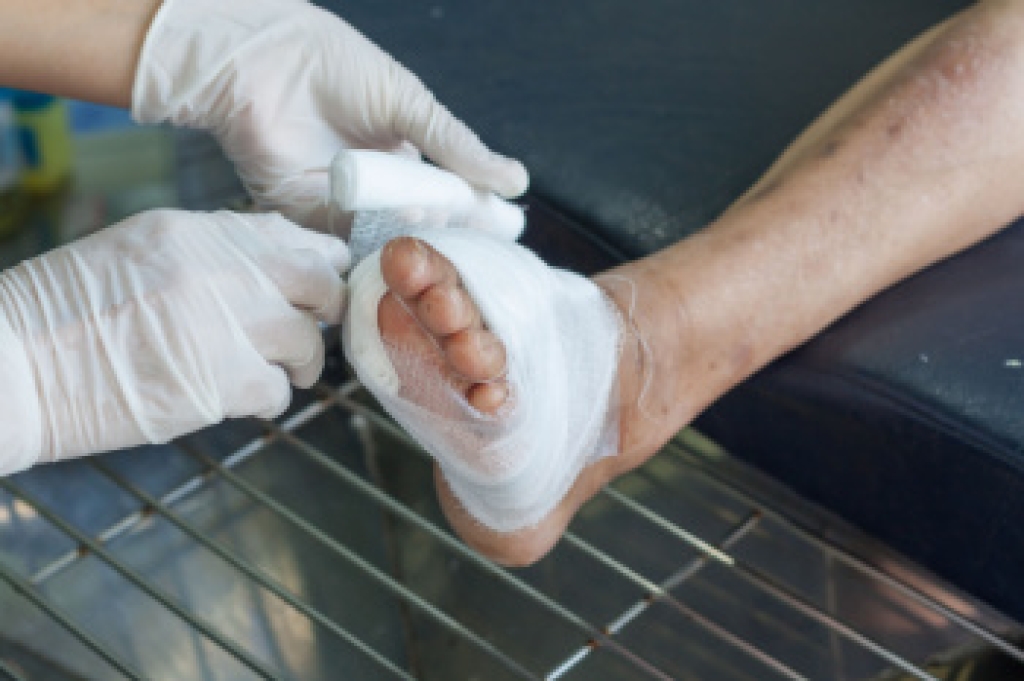
Diabetes can place the feet at serious risk due to damage that affects both nerves and blood flow. Nerve damage, called peripheral neuropathy, reduces the ability to feel pain, heat, or injury, so a small cut or blister may go unnoticed. Poor circulation, or reduced blood flow, caused by diabetes can slow healing and increase the chance of infection. These problems may lead to ulcers, or open sores, that can become severe, if not treated early. Skin may also become dry and prone to cracking, creating a pathway for infection. A podiatrist can examine the feet, check sensation, assess circulation, and identify early signs of damage before complications worsen. Imaging, wound care, and pressure-relieving devices may be used to protect the feet and support healing. Regular medical evaluation plays an important role in preventing serious long-term complications. If you have foot problems related to diabetes, it is suggested that you schedule an appointment with a podiatrist to help manage the effects of this serious condition.

Diabetic Limb Salvage

Diabetic limb salvage can be an effective way in preventing the need for limb amputation. If you have a foot ulcer and diabetes, consult with Carrie Frame, DPM from West Virginia Foot & Ankle. Our doctor will assess your condition and provide you with quality foot and ankle treatment.

What Is Diabetic Limb Salvage?

Diabetic limb salvage is the attempt of saving a limb, such as the foot, that has an infected ulcer, from amputation. Podiatrists also try to make sure that there is enough function in the foot after the salvage that it is still usable. Those with diabetes experience poor blood circulation, which prevents proper healing of an ulcer. If the ulcer is left uncheck, it could become infected, which could result in the need for amputation.

Diabetes is the number one cause of non-traumatic amputations in the United States. Amputation has been found to lead to higher mortality rates. This translates into higher healthcare costs, and a reduced quality of life and mobility for amputees. Podiatrists have attempted to increase the prevalence of limb salvage in an attempt to solve these issues.

Diagnosis and Treatment

Limb salvage teams have grown in recent years that utilize a number of different treatments to save the infected limb. This includes podiatrists that specialize in wound care, rehabilitation, orthotics, and surgery. Through a combination of these methods, limb salvage has been found to be an effective treatment for infected limbs, and as an alternative to amputation. Podiatrists will first evaluate the potential for limb salvage and determine if the limb can be saved or must be amputated. 

If you have any questions, please feel free to contact our office located in Charleston, WV . We offer the newest diagnostic and treatment technologies for all your foot care needs.
Read more about Diabetic Limb Salvage

Flat Feet in Kids and What Parents Should Know

Flat feet occur in children when the arch of the foot does not fully develop, causing the entire foot to touch the ground. Some children may feel pain in the arch, heel, or ankle, while others may have tired feet after standing or walking for long periods of time. Common causes include genetics, loose ligaments, or delayed arch development. Risk factors include excess weight or certain structural differences in the feet. While many children do not have symptoms, discomfort can affect daily activities and play. A podiatrist can evaluate foot structure, monitor development, and recommend supportive shoes or custom orthotics. Early care helps prevent future problems. If your child has pain from having flat feet, it is suggested that you consult a podiatrist who can offer effective relief solutions and help you to monitor your child’s foot health.

Flatfoot is a condition many people suffer from. If you have flat feet, contact Carrie Frame, DPM from West Virginia Foot & Ankle. Our doctor will treat your foot and ankle needs.

What Are Flat Feet?

Flatfoot is a condition in which the arch of the foot is depressed and the sole of the foot is almost completely in contact with the ground. About 20-30% of the population generally has flat feet because their arches never formed during growth.

Conditions & Problems:

Having flat feet makes it difficult to run or walk because of the stress placed on the ankles.

Alignment – The general alignment of your legs can be disrupted, because the ankles move inward which can cause major discomfort.

Knees – If you have complications with your knees, flat feet can be a contributor to arthritis in that area.  

Symptoms

  • Pain around the heel or arch area
  • Trouble standing on the tip toe
  • Swelling around the inside of the ankle
  • Flat look to one or both feet
  • Having your shoes feel uneven when worn

Treatment

If you are experiencing pain and stress on the foot you may weaken the posterior tibial tendon, which runs around the inside of the ankle. 

If you have any questions, please feel free to contact our office located in Charleston, WV . We offer the newest diagnostic and treatment technologies for all your foot care needs.
Read more about What is Flexible Flat Foot?

When a Curled Toenail Grows Into the Skin

An ingrown toenail develops when the edge of a toenail presses into the surrounding skin instead of growing straight outward. This most often affects the big toe and can quickly become painful. Early signs include redness, swelling, and tenderness along one side of the nail. As the nail continues to push into the skin, the area may become warm and irritated. In some cases, infection develops, leading to drainage or increased swelling. Ingrown toenails can be caused by trimming the nail too short, cutting the corners of the nail, tight shoes that place pressure on the toes, or injury to the nail. Some people also have naturally curved nails that increase the risk. A podiatrist can examine the toe and determine the best way to relieve the pressure. Treatment includes careful nail trimming, protective care, or a small procedure that removes part of the nail to prevent it from growing inward again. If you have an ingrown toenail, it is suggested that you make an appointment with a podiatrist.

Ingrown toenails can become painful if they are not treated properly. For more information about ingrown toenails, contact Carrie Frame, DPM of West Virginia Foot & Ankle. Our doctor can provide the care you need to keep you pain-free and on your feet.

Ingrown Toenails

Ingrown toenails occur when a toenail grows sideways into the bed of the nail, causing pain, swelling, and possibly infection.

Causes

  • Bacterial infections
  • Improper nail cutting such as cutting it too short or not straight across
  • Trauma to the toe, such as stubbing, which causes the nail to grow back irregularly
  • Ill-fitting shoes that bunch the toes too close together
  • Genetic predisposition

Prevention

Wearing proper fitting shoes and using proper cutting techniques will also help decrease your risk of developing ingrown toenails.

Treatment

Ingrown toenails are a very treatable foot condition. In minor cases, soaking the affected area in salt or antibacterial soaps will not only help with the ingrown nail itself, but also help prevent any infections from occurring. In more severe cases, surgery is an option. In either case, speaking to your podiatrist about this condition will help you get a better understanding of specific treatment options that are right for you.

If you have any questions, please feel free to contact our office located in Charleston, WV . We offer the newest diagnostic and treatment technologies for all your foot care needs.

Read more about Ingrown Toenail Care

Connect With Us

Advanced Podiatric Procedures & Services in the Kanawha County, WV areas